
5 Dangers of Buying a Cheap House

If you’re in the market for a new home, it’s important to be aware of the dangers of buying a cheap house. While it may be tempting to purchase a less expensive property than others in the area, you could end up regretting your decision down the road.
We saw plenty of articles to know about the red flags to look out for when considering a cheap house. Stay safe and smart when shopping for your next home, lest you live there full of regret.

Inspect the Area for Pests
We share the world with many of nature’s garbage collectors and while we do need them in our ecosystem to keep everything in balance, we don’t need to share our home with them. There are plenty of pests out there that can ruin your house, such as:
- Mosquitoes
- Wasps
- Killer Hornets
- Yellow Jackets
- Cockroaches
- Rats
- Gophers
- Moles
These animals have no business living in our land and you should inspect every inch of the property before you close the deal.
Check the Property’s History
Some properties are sold less expensive than the rest even though they are of the same size and shape because of the property’s history. If you’re looking at a cheap house, be sure to ask about its history. Has it been foreclosed on? Was it the site of a crime? Is it in an area prone to flooding or other natural disasters? Knowing about a property’s history can help you decide if it’s worth purchasing or not because who would want to live in a haunted house, right? The ominous and dread presence of a former owner’s poor decision-making could very well haunt you, too.
Look for Physical Red Flags
Just because a property is being sold at a lower price than others doesn’t mean it’s not without its problems. Be sure to thoroughly inspect the property before making an offer or signing any paperwork. Are there cracks in the foundation? Water damage in the basement? Peeling paint or moldy smells? These are all red flags that could indicate bigger problems down the road. If you’re not handy yourself, it’s worth hiring a professional to take a look and give you an estimate of any repairs that may need to be made.
Consider the Neighborhood
When looking at cheap houses, it’s essential to also consider the surrounding neighborhood. Is it a safe area? Are the schools good? What is the crime rate like? You may be able to overlook some physical red flags on a property if you love the neighborhood it’s in, but, conversely, even the nicest house can’t save you from living in the wrong area. Do your research before deciding to know what you’re getting yourself into.
Think About the Future
 When considering purchasing a cheap house, it’s crucial to think about the future. What may need to be repaired or updated in a few years? Is the property located in an up-and-coming area, or is it on the decline? If you plan to start a family soon, will the house be big enough? It’s important to think about these things before deciding, so you don’t regret it later. Purchasing a new home is a huge decision and shouldn’t be taken lightly. Be sure to do your homework before you commit. Thanks for reading.…


 Another reliable way to selling your home fast is by using the top real estate agent in your area. Real estate agents have a better understanding of the real estate. This means that it will be easy for them to bring the right buyers for them. If your issue with real estate, then it means that you have worked with the wrong people. Real estate agents who have a good reputation and have been in the business for a long time are not likely to disappoint you in any way.
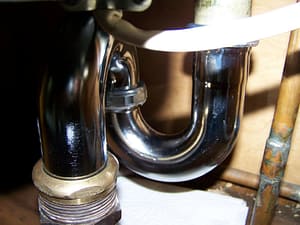 The disintegration process is named corrosion. It is the process of pipe degradation affected by the exposure of surrounding substance. And there are types, followed by the risks, of corrosion that may occur to your household plumbing pipes.
 We use copper for plumbing pipes because it is the most resilient and affordable material that can withstand corrosion and chemical permeation. Household copper pipes are meant to last for around twenty years. But the water contaminants from one place to another is very different, and that explains why for some regions, plumbing service is vital.
 The second type of metal that we often use in pipes is cast iron. It depends on your region whether your house uses cast iron pipes or not. In case you do use them, iron corrosion is prone to oxidation.
 Besides the chemical reactions, microorganisms can damage your plumbing pipes as well. Impure water contains bacteria of which the metabolic process turns the water’s pH. Both alkaline and acidic water is harmful to all metal pipes. Household water should be only within 6.5 to 8.5 pH level.